Handmade Latex Clothing vs Mass Production – What’s the Real Difference?
Latex clothing has surged in popularity over the past decade, moving from niche fetish subcultures into fashion editorials, runway shows, and avant‑garde styling. But behind every striking latex piece lies a choice that matters just as much as the design itself: handmade craftsmanship or mass‑produced manufacturing. Many people choose latex for its bold look, glossy shine, and body‑conforming silhouette, but the experience of wearing latex can vary dramatically depending on how the garment was made. This article explores the real differences between handmade latex clothing and mass‑produced items, and why handmade often stands apart not just in quality, but in comfort, fit, and longevity.

What Is Handmade Latex Clothing?
Handmade latex clothing is exactly what it sounds like: garments crafted by skilled artisans who cut, finish, and assemble each piece by hand. Every curve, edge, and seam is considered and tested by a person rather than a machine. This process takes more time and effort, but it also means the garment is tailored with a human understanding of how latex moves and behaves on the body.
Custom, handmade latex pieces are cut from sheets of natural latex rubber, then carefully glued or stitched together with precision. Edges are smoothed by hand, and experienced makers adjust patterns based on measurements and expected movement. Because the human eye and hand play a role at every stage, small nuances — like how a sleeve tapers or how a neckline sits — are intentional and refined.
A great example of handmade attention to detail can be seen in pieces Latex Pentagram Top, where the structured shape and edge finishing reflect a level of craftsmanship that mass production rarely matches. These pieces don’t just look different — they feel different when worn.
What Happens in Mass Production
Mass production of latex clothing happens when garments are made quickly, in large quantities, often with minimal customization. Patterns may be cut by machines, seams may be finished in the fastest way possible, and garments are made according to standard sizes rather than individual measurements. The goal is speed and volume, not personalized fit or artisanal detail.
Mass‑produced latex garments can still be visually striking, especially when photographed on mannequins or models. However, when worn, they often reveal their limitations. Standardized sizing might not match individual body shapes, seams may sit awkwardly, and latex that hasn’t been hand‑finished can be more prone to stress points, micro‑tears, or premature wear.
People who have tried both handmade and mass‑produced latex often describe the difference in feel. Handmade latex tends to feel smoother against the skin, more responsive to movement, and better balanced in terms of tension and stretch. Mass‑produced latex can feel stiff, uneven, or less accommodating, especially in areas that require flexibility, like underarms, hips, or the back of the knees.
Fit and Comfort: Why Handmade Matters
Comfort in latex isn’t just about softness — it’s about how the material fits the body. A handmade piece is cut with the wearer in mind, meaning curves, contours, and joints are anticipated and shaped accordingly. Artisans spend time ensuring that seams lie flat, edges don’t dig into the skin, and the garment flows with your body’s natural movement.
Imagine two similar bodysuits. One is handmade with subtle adjustments for shoulder width, waist shape, and rise of the legs. The other is mass‑produced with generic proportions. When you put on the handmade version, it moves with you. On the mass‑produced version, you might notice pulling at the shoulders, bunching at the waist, or discomfort when you sit. This isn’t just preference — it’s a difference in construction philosophy.
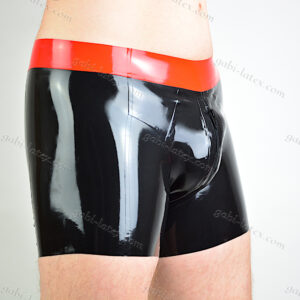
Handmade latex pieces like Latex ZIP panties often feel more comfortable for extended wear because of this tailored thinking. A garment that considers mobility points not only looks better, it feels better throughout the day or night. Proper fit reduces friction, prevents pinching, and preserves the material’s structure over time.
Durability and Longevity
Durability is another area where handmade latex often shines. Skilled crafters know how to reinforce critical stress points — areas like crotches, underarms, and waistbands — so that the latex doesn’t stretch or tear prematurely. This may involve tighter edge finishing, specific gluing techniques, or careful seam placement that avoids tension buildup.
Mass‑produced latex, designed to be cheap and fast, often cuts corners in these areas. Seams might be glued without reinforced layers, edges might be left rough, and patterns don’t account for how force distributes across a moving body. Over time, this can lead to micro‑cracks, splits, or loss of shape — especially in pieces that see regular wear.
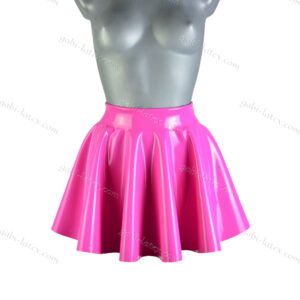
Handmade garments, while more expensive upfront, often outlast their mass‑produced counterparts because the materials and methods account for real‑world use. High‑quality handmade latex, like LOLITA flared latex skirt, resists wear and tear better because every connection point was considered and tested during construction.
Style and Expression
Latex is inherently a statement material. Whether used for fashion, photography, performance, fetish styling, or everyday self‑expression, it’s bold and eye‑catching. Handmade latex often elevates that expression because the design isn’t limited by machinery or mass patterns. Artisans can experiment with cut lines, textured finishes, and unique silhouettes that feel expressive and personal.
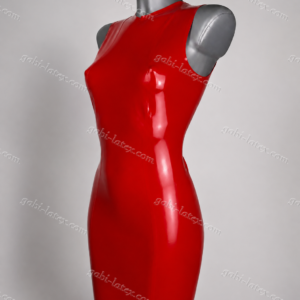
For example, a beautifully contoured latex dress with custom shaping around the waist and bust can create an iconic silhouette that highlights your best features. A mass‑produced version of a similar design might approximate the same shape on paper, but without that nuanced tailoring, it won’t sit the same on the body nor carry the same visual harmony.
This style advantage especially matters for pieces meant to be centerpieces of an outfit. A handmade statement piece like Sexy Flarex Latex Dress becomes more than clothing — it becomes a wearable piece of art.
Why People Choose Handmade
People choose handmade latex not just because it fits better, but because it feels intentional. The weight of the latex, the way a seam glides over the skin, the balanced tension across curves — these are sensations you notice only when the garment was crafted with care. Handmade items also offer customization options: you can specify your measurements, choose thickness, decide on textures, and tailor finishes to your taste.
This level of involvement creates a connection between wearer and garment that mass production can’t replicate. It’s not just fashion, it’s personal. A bespoke latex piece looks like it was made for you because it was — and that makes a difference in confidence and comfort.
The Case for Mass Production
This isn’t to say that mass‑produced latex has no place. For many, mass‑produced pieces are an affordable entry point into the world of latex. They let you experiment with silhouettes and textures without the higher price tag of handmade couture. A basic latex top or simple accessory can still be visually striking and fun to wear.
Mass‑produced latex can make the material more accessible, especially for those new to latex. It’s a way to explore styling ideas before investing in custom pieces. However, if your goal is long‑term wear, maximum comfort, and durability, handmade is usually the superior choice.
Care and Maintenance: What You Need to Know
Whether handmade or mass‑produced, caring for latex properly is crucial. Good care extends the life of your garments — and premium handmade pieces benefit most from it. After wearing, latex should be washed by hand in lukewarm water with a mild, latex‑safe detergent. Rinse gently and dry away from direct sunlight or heat, which can weaken the rubber. Store pieces in a cool, dark place, ideally in cotton covers or bags that prevent scratching or dust buildup.
Cleaning and storage matter more for handmade latex because you’ve invested in the details. Proper care helps maintain shine, elasticity, and fit — all the elements that make handmade latex feel different from off‑the‑rack alternatives.
Real Comfort Comes From Quality and Fit
So what’s the bottom line? Is handmade latex more comfortable than mass‑produced latex? The answer isn’t just about how it feels on your skin — it’s about how it fits, how it moves with you, and how it was made to accommodate your body. Handmade latex, crafted with intention and attention, has the edge when it comes to sustained comfort and wearability. Mass‑produced latex can be fun and affordable, but it rarely offers the same level of fit, finish, and joy in wearing.
Summary: Handmade vs Mass Production
In summary, handmade latex stands apart in fit, comfort, longevity, and style expression. Mass‑produced latex makes the material accessible and fun, but it often sacrifices fine detail and personalized design. If you value durability, a tailored silhouette, and a garment that feels like it was created for you, handmade latex is worth the investment.
If you’re ready to explore high‑quality handmade latex pieces that combine comfort, craftsmanship, and bold design, visit Gabi‑Latex and discover collections created with passion and precision.